Monday, June 20, 2016

Heart Attack/Cardiac Arrest

 HEART ATTACK??     OR     CARDIAC ARREST??

Do you know the difference?


Heart Attack
If someone is having a heart attack, they will generally have chest pains, break out into a sweat, and feel light headed.  There are other symptoms to watch for.  A person could have, pain in the jaw, pain in the back between the should blades, and or pain in their right arm. 
A heart attack happens first; it is the beginning of a cardiac arrest.  It is a proven fact that if someone is starting to experience heart attack symptoms, they can be given two small aspirin, or one regular aspirin, unless they are allergic to aspirin, or have had a stroke recently. This will not stop the heart attack from happening, but, it will slow it down and give the person time to reach medical care.


Cardiac Arrest
When a person is in a cardiac arrest, they are, at this point, not responsive.  Their heart has stopped and they will not be breathing.  This is when CPR will need to be used.  CPR will help keep the blood and oxygen flowing through the body until the person starts breathing on their own, and their heart starts to function.  Most times, an AED will be used to jump start the heart. Medical care will always be needed any time that the heart is involved. 


Information from the American Heart Association


Monday, June 6, 2016

Being Hydrated

STAYING HYDRATED

If you live in certain parts of Wyoming, staying hydrated might be a challenge.  Our summers do not always feel HOT.  We have this ongoing breeze that feels like it takes away the heat.  But in reality it is still hot. 

SO HOW MUCH WATER SHOULD A PERSON DRINK IN ONE DAY?
Thirst is the first sign that you need to drink.  “If you get thirsty, you’re already dehydrated.”
The average that a person should drink is 8 glasses of 8 ounces of water a day.  Wow, that sounds like a lot.  “For every pound of sweat you lose, that’s a pint of water you’ll need to replenish.”

Keeping the body hydrated helps the heart more easily pump blood through the blood vessels, which in turn helps the vessels to work a lot easier.  This helps your heart not to have to work as hard. 
 
 Signs of serious dehydration are leg cramps, feeling light headed, and perspiring to the point of your clothes being wet to the touch.  The quickest way to help a person in this position is to wet them down gently from head to toe with cool water and take off any extra clothing they would have on. Then, if you have a sports drink, that should be given to the person if they can drink.  If the person does not recover, then the emergency team should be called immediately. 


Information from the National Health Council and American Heart Association. 

Thursday, May 26, 2016

Legalized Marijuana

With the legalization of marijuana becoming more widespread, as more and more states are passing laws to legalize the use of recreational marijuana, the big question becomes……


Attitudes towards drug use can vary greatly, especially with ongoing changes to state legislation surrounding the distribution and consumption of marijuana. Some people are asking, is the war on drugs over? Has the time come for employers to relax their hiring policies, or even their random testing, to more closely align with the changing landscape of drug use? Here are some facts, which may provide clarity into these and other questions about workplace drug testing.

But remember, just because recreational marijuana is legal in your state, that does NOT mean that employers have to allow its use on the job or even on your own private time off the job.


Information and facts come from Bob McCormick on April 15, 2016 from Quest Diagnostics newsletter.

Tuesday, May 17, 2016

Acetyl Fentanyl - The New Drug

WATCH OUT FOR THIS NEW DRUG: Acetyl Fentanyl
     Acetyl fentanyl is a powerful prescription painkiller called fentanyl.  This drug is being mixed with heroin as a painkiller.  Studies have shown that fentanyl is 15 times more potent than morphine.

     Some of the side effects of this drug include:  Mood Changes, Breathing Issues, Problems to Swallow and that makes it easier to Choke since you are Unable to Cough.

     Emergency room doctors may soon see larger numbers of patients who appear to have overdosed on heroin, but have actually taken the drug acetyl fentanyl.  Our emergency staff, which include, Firemen, EMS, and Emergency Room at the hospital use an anti-dote called, Naloxone.  Naloxone is given to those who over dose on heroin.  But, if a person takes the street drug fentanyl, the dosage of naloxone would have to be doubled in order to work as an anti-dote.  Unfortunately, this double dosage does not always work because fentanyl is so strong.

Legally, acetyl fentanyl is in a gray area, because it is packaged and labeled, “Not for Human Consumption”, which with this particular labeling, it is not regulated. This presents legal loopholes that drug distributors use to make a profit by mixing a highly regulated drug, such as heroin, with a less-regulated one, such as acetyl fentanyl. 

     So, how and why do people use this drug??

     For many people, opiate addiction happens when a person is injured or hurt badly and needs something to kill the pain.  Opiates are used as pain relievers that our doctors give to those who maybe have broken their leg or arm, maybe injured their spine or other parts of their bodies. Then, they begin to realize that these prescription pain killers make them feel good and relaxed.  But, when they can no longer get the drug from their doctor, they turn to the streets for this relaxed and no guilt feeling it gives. At this point, they are now hooked on these opiate drugs.
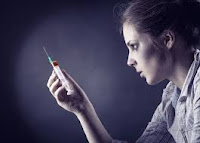
     How sad it is that so many of us cannot handle the stresses of today’s world that we just want to escape somehow.  Once we are addicted to opiates of any form, it is very difficult to break ourselves from them.  Withdrawing from opiates can be very hard because the symptoms can last for many weeks.  Some of the withdrawal symptoms include: agitation-having no patients with circumstances of life or people, insomnia-not being able to sleep well, muscle aches and pains, stomach cramps, nausea, diarrhea, and other flulike symptoms.  So, with all this going on in your body, you only just want to feel good again and so you go back to the drug that makes you feel better.


Many drug treatment centers specialize in providing medications to improve the comfort of those who are going through withdrawal related to opiate addiction.  If a person is more comfortable, there is a much more chance they will succeed in withdrawing from opiates.